
Research shows that people with migraine may also experience related symptoms during a hangover. Reducing or eliminating alcohol may reduce the frequency of migraine attacks. It may also help eliminate triggers Oxford House that tend to co-occur with drinking, such as dehydration and sleep deprivation.
Can You Cure a Hangover Headache?
You may think that a single glass of wine might not be enough to cause an alcohol-induced headache, but this isn’t necessarily true. You may find that one day you can drink a lot of alcohol and not experience a headache at all, yet another day just a few glasses will leave you with a pounding head. The ingestion of too much ethanol can cause an unhealthy imbalance of chemicals within the body, which over time may lead to more serious conditions than just a headache.
Binge Drinking and Its Risks
Alcohol is broken down in the liver by an enzyme called alcohol dehydrogenase. People with a variant in this enzyme have issues with metabolizing alcohol and can develop total body flushing or reddening of the skin. Those who were included in this study had episodic migraine and self-identified as low dose alcohol consumers. Furthermore, remember that your weight, age, and body composition also affect alcohol metabolism. The older you are, the harder it is for your body to metabolize alcohol. The short-term effects of alcohol usually manifest in the form of a hangover.
Analysis of alcohol consumption
Eating bland, carbohydrate-rich foods like crackers or toast restores blood sugar levels and settles the stomach. Avoiding further alcohol consumption will only prolong and worsen the discomfort. Some blogs mention at-home detox remedies for alcohol withdrawal, but no medical professional can truly endorse these solutions. It all depends on the individual, factoring in how long they’ve been abusing alcohol, how much they drink at a given time, and genetic and biological factors.
While most alcohol-induced headaches resolve on their own, certain situations warrant medical attention. If headaches are unusually severe, persistent, or accompanied by other concerning symptoms, it is advisable to consult a healthcare professional. These accompanying symptoms might include changes in vision, numbness, weakness, confusion, fever, or a stiff neck. The alcohol in the blood increases more quickly with liquor than with beer. For example, if a person drinks liquor before beer, they are likely to feel the effects of the alcohol sooner.
- Even people who are not prone to headaches will get a headache after a night of heavy alcohol consumption.
- Delirium tremens (DTs), a severe form of withdrawal, can occur in chronic drinkers after 48 to 72 hours, marked by hallucinations, seizures, and confusion.
- Alcohol-induced headaches are not only common in people with a history of alcohol misuse but can also affect anyone, regardless of age and background.
- Additionally, consuming electrolyte-rich fluids or sports drinks can help restore electrolyte balance and alleviate symptoms of dehydration.
This might also lead to headaches, although not all studies agree on this point. We know that alcohol is inflammatory and that people who drink often get headaches, but the direct relationship between these two is still being debated and researched. If you suffer headaches during withdrawal, make sure to stay put in a quiet place with soft lighting. Eat healthy food, drink lots of fluids, and take mild over the counter pain medicine if your doctor https://ecosoberhouse.com/ allows it.

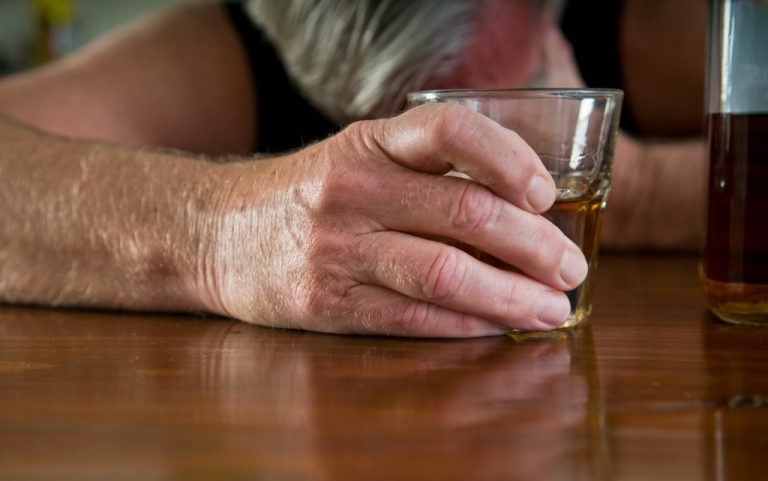
The way alcohol triggers different headache disorders isn’t well understood. Acute widening of blood vessels in the brain (vasodilation) might explain cocktail headaches, but it’s likely not the cause of hangover headaches, which occur when blood alcohol levels are zero. Certain compounds found in alcoholic beverages, known as congeners, can contribute to headaches. These byproducts of fermentation and distillation contribute to flavor and color but may worsen hangover symptoms, including headaches. Darker alcoholic beverages, such as red wine, brandy, and whiskey, generally contain higher levels of congeners.
It can cause various uncomfortable symptoms, ranging from mild to severe, and can lead to serious health complications if not managed properly. The best course of action for individuals with alcohol intolerance is to limit or avoid alcohol consumption and make lifestyle adjustments to minimize symptoms. It is worth noting that while dehydration is a significant contributor to headaches after small amounts of alcohol, it is not the only factor. Alcohol and its additives can trigger headaches, and individual factors such as genetic predisposition, body weight, and sensitivity to specific ingredients also play a role. To conclude, it is clear that not drinking alcohol can, in fact, cause headaches.
But the effects of inflammation could manifest differently in each person depending on body weight and gender. At least one small study has shown some hangover treatment benefits from an over-the-counter remedy that contains milk thistle, thiamine, and antioxidants, but more research is needed. Certain supplements and herbal remedies have been touted as hangover remedies, but there is no solid evidence backing up this claim.
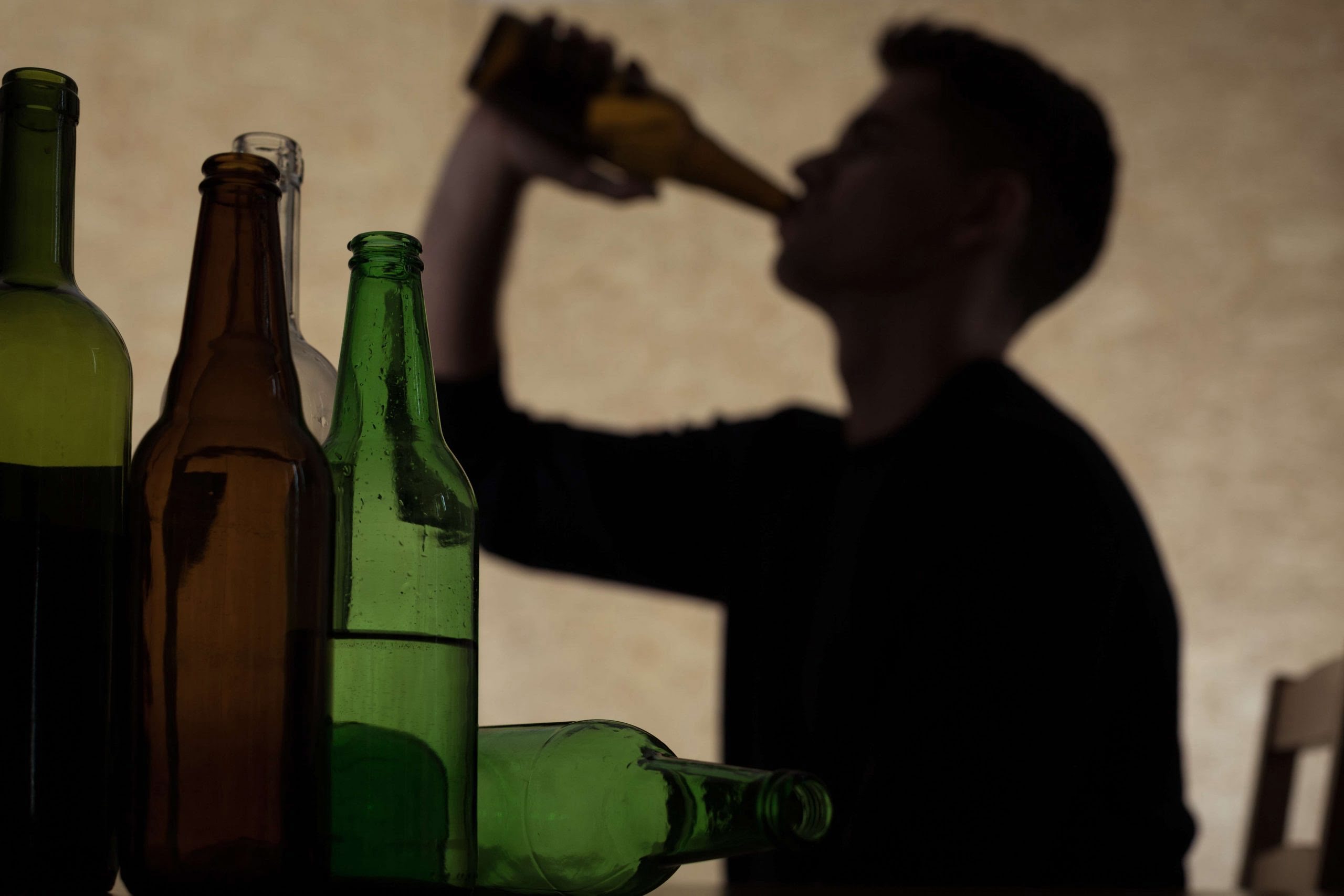
Darker headache from drinking alcohol spirits, such as whiskey and red wine, are richer in congeners than their lighter counterparts. Research also suggests that certain congeners may have toxic effects and can worsen hangover symptoms. So we should be mindful of our choice of drink as it can add to the intensity of our headache. The number one thing that you need to remember when experiencing a headache related to alcohol withdrawal is to hydrate.