
The evolution of casinos A journey through time and culture
The Ancient Origins of Gambling
The history of casinos and gambling can be traced back to ancient civilizations. Archaeological evidence suggests that as early as 3000 BC, people in China played a form of gambling using tiles. Similarly, ancient Roman and Greek societies engaged in games of chance, often linked to their culture’s religious and social practices. This early form of gambling was often about more than mere entertainment; it served as a way to forge social connections and engage in community rituals, including those that occurred at a uk casino not on gamstop.
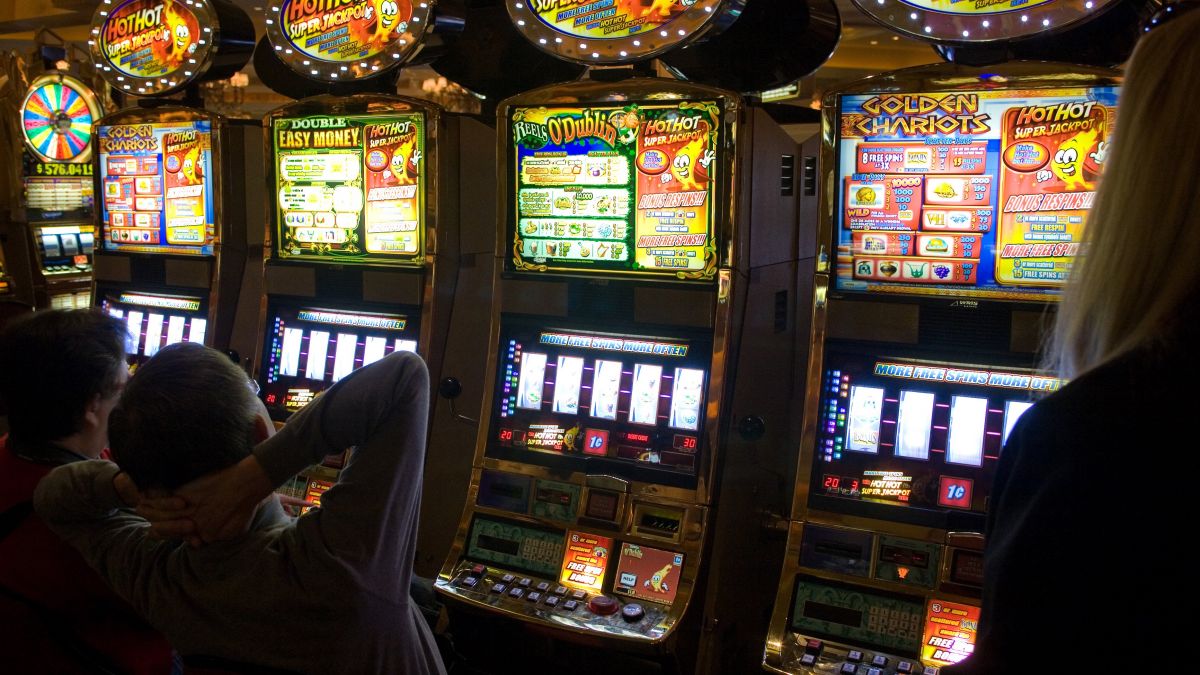
These primitive gambling activities laid the groundwork for the establishment of more organized forms of gaming. The creation of dice and betting games in various cultures contributed to the evolution of gambling into a structured activity, often regulated by local laws and customs. As civilizations progressed, so did the complexity and variety of these games, leading to the birth of more sophisticated gambling establishments.
The Birth of Modern Casinos
The first official casino, the Casino di Venezia, opened its doors in 1638 in Italy, marking a significant turning point in the gambling landscape. This venue not only offered games of chance but also became a social hub for the elite. It represented a blend of luxury and leisure, attracting nobility and affluent individuals eager to indulge in the thrill of gambling.
As the concept of the casino spread throughout Europe, the establishment of casinos became synonymous with the cultural shifts of the Enlightenment. They began to serve as venues for social gatherings, fostering an environment of entertainment and culture. The elegance and sophistication of these early casinos set the stage for the opulent establishments we see today, intertwining luxury, glamour, and the thrill of gaming.
Casinos in the American Landscape
The evolution of casinos took a dramatic turn with the arrival of European settlers in America. Initially, gambling was unregulated and often associated with the frontier spirit. However, by the 20th century, cities like Las Vegas and Atlantic City became the epicenters of casino culture, embodying the American dream of wealth and adventure.
Las Vegas, in particular, transformed the perception of casinos, turning them into extravagant resorts that offered entertainment beyond gambling. The flashy neon lights, world-class dining, and live performances created an all-encompassing experience, drawing millions of tourists each year. This evolution reflected a broader cultural acceptance of gambling as a legitimate form of entertainment, reshaping societal attitudes towards gaming.
Cultural Perspectives on Gambling
The cultural perception of gambling varies significantly across the globe. In some societies, gambling is viewed as a traditional and acceptable pastime, while in others, it may carry a stigma or be associated with vice. For instance, in many Asian cultures, gambling has deep historical roots tied to family gatherings and celebrations, often seen as a means to connect with one’s heritage.
Conversely, in several Western nations, gambling has been scrutinized for its potential to lead to addiction and social issues. This dichotomy highlights the complex relationship between culture and gambling, influencing regulations and the operation of casinos worldwide. As societal norms continue to evolve, these perspectives will undoubtedly shape the future landscape of gambling and casinos.

Secure Financial Platforms in the Gambling World
As the gambling industry continues to evolve, securing transactions and protecting sensitive information has become paramount. Many online casinos and gambling platforms prioritize user safety, providing secure environments for financial transactions. This focus on security is essential in building trust with users and ensuring a reliable gaming experience.
By implementing stringent measures to safeguard personal data and financial information, these platforms allow players to enjoy their gambling experience without fear of online threats. As technology advances, the integration of secure financial systems will play a crucial role in the ongoing evolution of casinos, reflecting a commitment to both innovation and user protection.