
The hidden psychological effects of gambling on decision-making behavior
The Illusion of Control
One of the most significant psychological effects of gambling is the illusion of control. Gamblers often believe they can influence the outcome of games of chance, such as slots or roulette. This belief can lead to overconfidence in decision-making, making players more likely to continue betting despite losses. The more one experiences small wins, the stronger this illusion can become, creating a feedback loop that encourages further gambling. Many individuals might explore online casinos to test their luck, unaware of the underlying psychological factors at play.
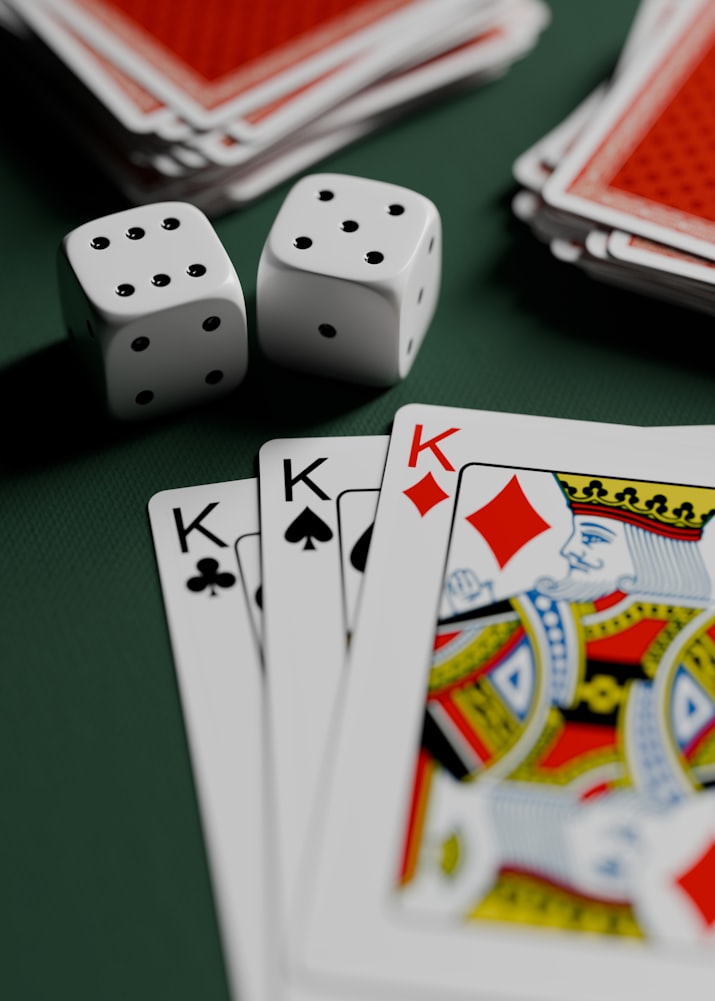
This illusion not only affects individual betting behavior but can also extend to strategic decisions within games. For instance, a player may take excessive risks or ignore statistical probabilities, swayed by the false belief that their actions can change the outcome. This can result in poor decision-making and a propensity to gamble even in unfavorable situations.
The Role of Cognitive Dissonance
Cognitive dissonance plays a critical role in the psychological landscape of gambling. When individuals lose money, they often experience discomfort stemming from the conflict between their belief in their gambling ability and the reality of their losses. To alleviate this dissonance, many gamblers may rationalize their behavior, telling themselves that they are due for a win or that past losses do not predict future outcomes.
This rationalization can lead to a cycle of behavior where the gambler continues to place bets in hopes of recovery, leading to even greater losses. This cycle often clouds judgment and hampers the ability to make logical, informed decisions. Over time, this mental gymnastics can have significant implications on both emotional well-being and financial stability.
The Influence of Emotions
Emotions heavily influence decision-making in gambling. The rush associated with winning can create a euphoric state, often referred to as a ‘gambler’s high.’ In contrast, losses can evoke feelings of frustration or desperation, compelling individuals to chase losses. This emotional rollercoaster significantly affects decision-making, often leading to impulsive bets that are not rooted in rational analysis.
Moreover, the emotional stakes of gambling can distort one’s ability to evaluate risk. When in the throes of excitement, gamblers may overlook potential consequences, focusing instead on immediate gratification. This emotional influence can cloud judgment and ultimately alter the long-term trajectory of one’s gambling behavior.
Social and Peer Pressure
Social factors and peer pressure also contribute to gambling behavior and decision-making. Individuals often look to their peers for validation and may feel compelled to gamble to fit in or enhance social interactions. This communal aspect of gambling can obscure individual judgment, leading people to make decisions they might not otherwise consider.
Additionally, the presence of friends or family can amplify both positive and negative experiences. Celebratory wins can encourage continued play, while losses may lead to embarrassment and a push to recover those losses in a group setting. The social environment thus plays a crucial role in shaping gambling habits and decision-making, reinforcing certain behaviors while discouraging others.

Website Purpose and User Guidance
This website focuses on providing users with insights into gambling behaviors and their psychological effects. Understanding the hidden psychological aspects of gambling is vital for informed decision-making and personal awareness. The aim is to create a safe space where users can learn about the intricacies of gambling without judgment.
Visitors may encounter security measures during their browsing experience, but these protocols are in place to ensure both user safety and data protection. Guidance is offered to navigate access issues, ensuring a seamless experience while maintaining a focus on education regarding gambling’s psychological impacts.