
The Psychology of Space
The design of a casino extends beyond mere aesthetics; it fundamentally shapes the player experience and influences behavior in profound ways. The layout, lighting, and overall use of space create an atmosphere that encourages prolonged engagement. For instance, a well-planned open floor design with wide pathways enhances navigation, allowing players to explore different areas comfortably, such as discovering options like $20 neosurf casino australia real money . This spatial awareness is essential, as it transforms a casual visit into an immersive experience that keeps players immersed for extended periods, ultimately fostering loyalty and repeat visits.
Furthermore, the incorporation of high ceilings and luxurious materials can evoke feelings of grandeur and excitement. Colors play a significant role as well; warmer tones like red and gold are often employed to stimulate energy and activity. These psychological triggers are meticulously crafted to create an environment that not only attracts players but also encourages increased spending. The design serves as a silent yet powerful motivator, subtly guiding players toward engaging with various gaming options available throughout the casino.
The arrangement of gaming options also significantly influences player behavior. Strategically placing slot machines near popular amenities such as restaurants or bars increases their accessibility, enticing players to try their luck. This proximity often leads to impulse decisions, where players find themselves spending more time and money than initially planned. Such strategic use of space reinforces the idea that every design choice in a casino is intentional and aimed at enhancing the gaming experience while maximizing profitability.
Lighting and Ambience
Lighting plays a pivotal role in shaping how players perceive and interact with their surroundings. In casinos, soft lighting creates a welcoming atmosphere that encourages players to relax and enjoy their time. Conversely, bright, harsh lights might induce a sense of urgency that drives players away. By utilizing subdued lighting, casinos can foster an environment that promotes longer visits, creating a psychological implication of escapism that many players seek during their gaming experiences.
Moreover, ambient noise levels are crucial for maintaining a stimulating environment. The harmonious blend of soft music, the sounds of machines, and the buzz of excitement contribute to an immersive experience. Many casinos curate a symphony of sound that heightens excitement and encourages social interaction. This auditory stimulation can lead players to spend more time at tables and machines, as the engaging sounds make the gaming experience feel more rewarding and enjoyable, ultimately influencing their likelihood of return visits.

Crucially, the transition between different lighting environments can signal shifts in activity or mood. For instance, dimmer lighting in lounge areas as opposed to brighter lights at gaming tables can guide players to transition from relaxation to more active participation. By skillfully manipulating lighting, casinos can direct player behavior, encouraging engagement with specific areas or activities, thereby enhancing the overall experience and increasing the potential for profit.
Accessibility and Flow
The flow of a casino is essential in determining how players navigate the space and engage with its offerings. A well-designed, accessible layout incorporating intuitive pathways ensures players can easily find their favorite games or facilities, fostering a sense of familiarity and comfort. Designers often analyze foot traffic patterns to optimize layouts, ensuring that high-traffic areas are strategically positioned near essential amenities. This accessibility can significantly enhance player satisfaction and prolong their visits, making the gaming experience more enjoyable.
Furthermore, the positioning of key attractions like cashiers, restrooms, and dining options can heavily influence how long players stay in the gaming area. By locating these essential services within close proximity, casinos create a seamless experience that keeps players engaged and entertained. If players must navigate long distances for basic needs, they may be less inclined to return to play, demonstrating that a thoughtful flow not only enhances comfort but also impacts profitability by encouraging extended play sessions.
Implementing interactive elements, such as touchpoints for customer service or digital information displays, can also facilitate a more engaging experience. Integrating technology allows players to access information quickly and efficiently, leading to higher overall satisfaction. By ensuring that all aspects of the casino are easily navigable, designers can significantly influence player behavior, increasing the likelihood of return visits and fostering repeat business.
Theming and Immersion
Thematic design in casinos adds another layer of complexity to player behavior. By crafting unique environments, casinos can enhance the overall experience and immerse players in a captivating story. For example, a casino designed with a Mediterranean theme may incorporate elements reminiscent of coastal landscapes, such as soothing blue hues and natural textures. This immersive approach captivates players’ imaginations, making them feel as if they have stepped into a completely different world, temporarily separating them from reality.
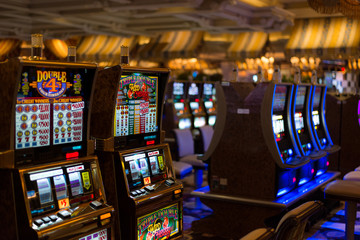
Moreover, themed areas can drive foot traffic, as players are often drawn to visually stunning and engaging sections of the casino. When an area boasts captivating décor and interactive elements, it can significantly increase player dwell time and engagement. Thematic enhancements, such as live entertainment or special events, can further reinforce immersion, allowing players to develop a deeper connection to the environment, thereby influencing their gaming habits and preferences.
Additionally, casinos often leverage themed promotions or loyalty programs tied to specific elements of their design. For instance, a player who has a fondness for a particular theme may be more inclined to participate in promotions or visit during theme-related events. This strategy not only fosters a sense of community among players but also enhances the likelihood of repeat visits, as players associate positive experiences with specific themes within the casino environment.
Conclusion and Future Insights
The design of a casino is a multifaceted approach that plays a significant role in shaping player behavior. From the psychology of space to lighting, accessibility, and immersive themes, every element is intricately designed to influence how players interact with their environment. As the gaming industry evolves, understanding these design principles becomes crucial for attracting and retaining players. Casinos that prioritize thoughtful design may find themselves better equipped to meet the changing demands and preferences of an increasingly discerning clientele.
As we look to the future, advancements in technology will undoubtedly further shape casino design, allowing for more personalized experiences. Innovations such as virtual reality, augmented reality, and data analytics will likely play pivotal roles in creating tailored environments that cater to individual preferences. This evolution will challenge traditional concepts of casino design, pushing operators to rethink how they engage with players and maximize both satisfaction and profitability.
In conclusion, the future of casino design is poised to embrace these changes while maintaining a focus on the core principles that drive player behavior. By continually adapting to emerging trends and technologies, casinos can create environments that not only entertain but also foster lasting connections with players. As the competition intensifies, understanding the intricate relationship between design and player behavior will be paramount for success in this vibrant industry.